10 Sneaky Food Ingredients That Secretly Sabotage Your Weight Loss Efforts
The Silent Saboteurs: Ingredients That Keep You From Losing Weight
You’re eating healthy, exercising regularly, and doing everything “right,” but why isn’t the scale budging? The answer might lie in sneaky food ingredients that secretly sabotage your weight loss efforts.
These culprits aren’t just found in obvious junk food; they can also be disguised in everyday staples like salad dressings, protein bars, and so-called “health” foods. Many of these hidden ingredients disrupt your metabolism, increase cravings, or trick your body into storing more fat.
The worst part? Food manufacturers often make them difficult to identify by using misleading labels and deceptive names.
Today, we’ll look at ten everyday weight-loss disruptors (ingredients) that subtly hinder your progress. More importantly, you’ll learn how to outsmart them by understanding food labels and making wiser choices.
Order of Ingredients Matters
Food labels are designed to inform consumers, but they can also be incredibly misleading. Many products marketed as “healthy” contain hidden ingredients that can contribute to weight gain, inflammation, and metabolic dysfunction. The order of ingredients on a food label is not random; it follows a strict rule. Ingredients are listed by weight, from most to least.
What this means for you
- If sugar, high-fructose corn syrup, or refined grains (like “enriched wheat flour”) appear at the top, the product is likely to spike blood sugar and contribute to weight gain.
- Even if beneficial ingredients like whole grains or nuts are included, check their placement. If they’re listed near the bottom, their amounts are likely negligible.
- Be very cautious of products where unhealthy oils (like soybean or canola oil) appear early in the list; these are often found in processed foods that can disrupt metabolism.
Expert Tip: When scanning ingredient lists, focus on the first three to five ingredients. If they are highly processed or sugar-heavy, consider putting the product back on the shelf.
Recognizing Alias Names for Unhealthy Ingredients
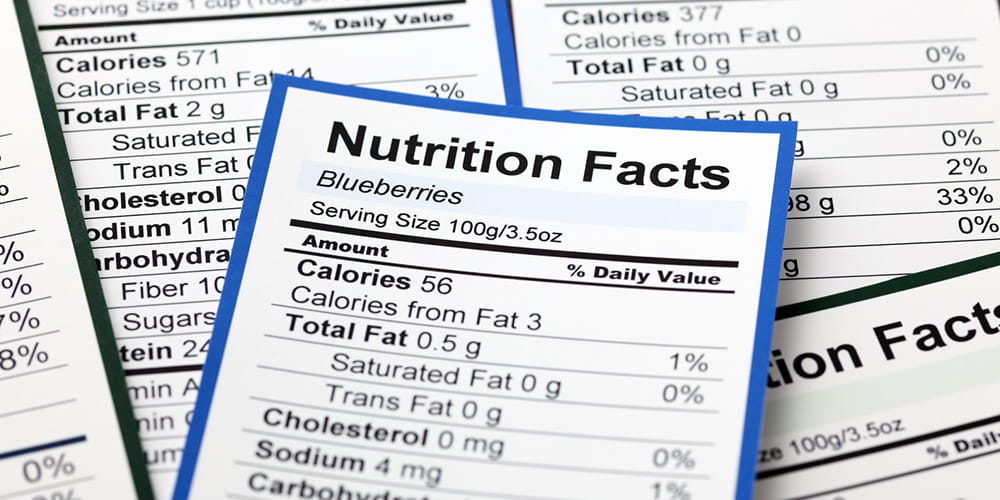
Food manufacturers often use alternative names for common additives to make them sound less harmful or to disguise their presence.
Here are a few examples:
- Sugar Aliases: Cane juice, maltose, dextrose, fructose, barley malt, agave nectar, coconut sugar.
- Unhealthy Oils in Disguise: Partially hydrogenated oils, vegetable oil blends, rapeseed oil.
- Artificial Sweeteners with Misleading Names: Aspartame (sometimes listed as E951), sucralose, saccharin.
What this means for you
- Just because a product doesn’t list “sugar” doesn’t mean it’s sugar-free; look for hidden sources.
- “Natural sweeteners” like agave nectar and coconut sugar can still spike blood sugar levels.
- The term “vegetable oil” may sound healthy, but it often refers to highly processed seed oils that can promote inflammation.
Easy Fix: If you can’t recognize or pronounce an ingredient, it’s often best to avoid it. Stick to products with short ingredient lists made up of whole, recognizable foods.
The “Natural” and “Organic” Trap
Seeing “natural” or “organic” on a label might lead you to believe a product is healthy, but these terms don’t always mean what you think.
- “Natural” is not a regulated term and can be used on products that still contain processed ingredients, additives, or refined sugars.
- “Organic” means the ingredients were grown without synthetic pesticides; however, an organic cookie loaded with sugar and refined flour is still a cookie.
What this means for you
- An organic granola bar with cane sugar and vegetable oils is still a processed food that can spike blood sugar levels.
- “Natural” flavors are often lab-created and don’t necessarily come from whole food sources.
Expert Tip: Don’t rely solely on front-of-package claims. Flip the package over and check the actual ingredient list.
The “No Added Sugar” Illusion
Many foods labeled as “no added sugar” still contain naturally occurring sugars or artificial sweeteners that can affect weight loss.
- Common culprits include fruit juice concentrates, date paste, honey, and syrups, all of which can cause blood sugar spikes.
- Artificial sweeteners like sucralose and aspartame can trigger cravings and insulin responses despite being calorie-free.
What this means for you
- A product labeled as “no added sugar” may still have the same metabolic effects as one that contains added sugar.
- “No sugar” doesn’t mean “no carbs.” Processed grains and starches can still break down into glucose.
Better Alternative: Choose whole foods like fresh fruits, nuts, and unsweetened yogurt instead of processed “no sugar added” snacks.
The Top 10 Foods And Ingredients To Avoid
Understanding the hidden culprits in your diet is essential for effective weight management. Many common food additives and ingredients can undermine your efforts by affecting metabolism, appetite, and overall health.
1. Emulsifiers
Emulsifiers are additives that help mix ingredients like oil and water, ensuring a uniform texture in processed foods.
Impact on Gut Health
Research indicates that certain emulsifiers can disrupt gut microbiota, leading to inflammation and metabolic disorders. A study published in Microbiome found that dietary emulsifiers such as lecithin, sucrose fatty acid esters, and carboxymethylcellulose adversely affected gut microbiota composition and glucose-insulin homeostasis in mice.
Common Sources
Emulsifiers are prevalent in many processed foods, including:
- Salad dressings
- Nut milks
- Ice creams
- Baked goods
Practical Tips
- Read Labels Carefully: Look for ingredients like lecithin, mono- and diglycerides, and polysorbates.
- Choose Whole Foods: Opt for unprocessed foods that do not require emulsifiers.
- Make Homemade Versions: Prepare salad dressings and nut milks at home to control ingredient quality.
2. High-Fructose Corn Syrup (HFCS)
HFCS is a sweetener derived from corn starch and is commonly used in processed foods and beverages. Studies have linked HFCS consumption to increased appetite and fat accumulation. Research from Princeton University demonstrated that rats with access to HFCS gained significantly more weight than those consuming table sugar, even with the same caloric intake.
Prevalence in Foods
HFCS is commonly found in:
- Sodas and sweetened beverages
- Condiments like ketchup
- Baked goods
- Snack foods
Practical Tips
- Opt for Natural Sweeteners: Choose products sweetened with honey or maple syrup.
- Limit Processed Foods: Reduce your intake of packaged snacks and baked goods.
- Prepare Meals at Home: Cooking at home allows you to control sugar content.
3. Artificial Sweeteners
Artificial sweeteners are synthetic sugar substitutes used to provide sweetness without the calories of sugar. Despite being low or calorie-free, artificial sweeteners may increase sugar cravings and disrupt metabolism.
A study published in Nature demonstrated that consumption of common non-caloric artificial sweeteners (NAS) can induce glucose intolerance by altering the composition and function of the gut microbiota. The researchers found that NAS consumption led to significant changes in the intestinal microbiota, which in turn affected glucose metabolism.
Common Types
- Aspartame
- Sucralose
- Saccharin
Practical Tips
- Use Natural Alternatives: Consider stevia or monk fruit as sweeteners.
- Gradually Reduce Sweetness: Train your palate to enjoy less sweet flavors.
- Check “Sugar-Free” Labels: These products often contain artificial sweeteners.
4. Refined Grains
Refined grains have been processed to remove the bran and germ, which results in a loss of nutrients and fiber. The refining process leads to grains that can cause rapid spikes in blood sugar levels, contributing to increased hunger and potential weight gain.
Common Example
- White bread
- Pasta
- White rice
Practical Tips
- Choose Whole Grains: Opt for brown rice, quinoa, and whole wheat products.
- Read Ingredient Lists: Ensure “whole grain” is listed as the first ingredient.
- Experiment with Alternatives: Try grains like bulgur or barley for more variety.
5. Trans Fats
Trans fats are artificially created fats that can extend the shelf life of processed foods. Trans fats are linked to increased abdominal fat and a higher risk of cardiovascular disease.
Research shows that consuming trans fats can lead to a redistribution of fat tissue, particularly in the abdominal area, even if overall calorie intake isn’t excessive. A study published in Obesity found that diets high in trans fats resulted in increased fat accumulation in the abdominal region and were linked to insulin resistance.
Common Sources
- Fried foods
- Baked goods
- Margarine
Practical Tips:
- Avoid Partially Hydrogenated Oils: Check the labels for this term to indicate the presence of trans fats.
- Cook at Home: Use healthy oils like olive or avocado oil.
- Limit Fast Food: Most fast-food items are high in trans fats.
6. Sodium
Sodium is an essential mineral, but excessive intake can lead to various health issues. High sodium intake can cause water retention and bloating, making weight loss appear less effective. Consuming too much sodium can result in discomfort due to water retention.
Hidden Sources of Sodium
- Canned Soups: Many canned soups contain high sodium levels, contributing to excessive intake.
- Processed Meats: Smoked, cured, salted, or canned meats, such as bacon, cold cuts, ham, and sausages, typically have high sodium content.
- Savory Snacks: According to the FDA, items like chips, crackers, and popcorn can be significant sources of sodium.
Practical Tips to Reduce Sodium Intake
- Choose Low-Sodium Options: Look for products labeled “low sodium” to help limit your intake.
- Rinse Canned Foods: Rinsing canned foods can help reduce their sodium content.
- Flavor with Herbs: Use herbs and spices instead of salt to enhance flavor without adding sodium.
By being mindful of your sodium intake and making informed dietary choices, you can reduce the risk of bloating and other health issues associated with excessive sodium consumption.
7. Monosodium Glutamate (MSG)
MSG is a widely used flavor enhancer that can intensify taste perception, making food more appealing. However, some research suggests that it may stimulate appetite, potentially leading to overeating.
A study published in the American Journal of Clinical Nutrition investigated the relationship between monosodium glutamate (MSG) consumption and the risk of becoming overweight among Chinese adults. The research found that a higher intake of MSG was positively associated with an increased risk of being overweight, regardless of total energy intake and physical activity levels.
Specifically, individuals in the highest quintile of MSG consumption had a 33% greater risk of becoming overweight compared to those in the lowest quintile.
Common Sources of MSG
- Processed snacks
- Instant noodles
- Frozen and canned foods
- Restaurant dishes (especially fast food and takeout)
Practical Tips
- Look for “monosodium glutamate,” “yeast extract,” or “hydrolyzed protein” on ingredient labels.
- Choose fresh, whole foods to minimize MSG exposure.
- When dining out, inquire about MSG-free options if available.
8. Artificial Colors
Artificial colors are used to enhance the appearance of food, but some may be linked to behavioral issues, cravings, and metabolic disruptions. Studies suggest that certain food dyes, like Red 40 and Yellow 5, may contribute to hyperactivity in children and increase overall appetite. Artificial dyes are also believed to influence appetite.
The Environmental Working Group notes that these dyes make food more appealing and can increase our appetite.
Common Sources of Artificial Colors
- Candies and gummy snacks
- Breakfast cereals
- Flavored drinks and sodas
- Packaged desserts
Practical Tips
- Check labels for FD&C color numbers (e.g., Red 40, Blue 1, Yellow 5).
- Choose naturally colored foods or those colored with ingredients like beet juice, turmeric, or spirulina.
- Limit consumption of bright, artificially colored snacks and beverages.
9. Preservatives
Preservatives help prevent food spoilage, but some can interfere with hormone function and metabolism. For example, sodium benzoate has been linked to increased inflammation, while nitrates (commonly found in processed meats) have been associated with metabolic issues.
Common Types of Preservatives
- Sodium benzoate (found in soft drinks, condiments, and processed snacks)
- Nitrates and nitrites (found in deli meats, bacon, and cured foods)
- Butylated hydroxytoluene (BHT) and Butylated hydroxyanisole (BHA) (found in chips, cereals, and packaged baked goods)
Practical Tips
- Opt for fresh or frozen foods instead of highly processed items.
- Choose nitrate-free deli meats and preservative-free snacks.
- Read labels carefully to identify and avoid artificial preservatives.
10. Phthalates
Phthalates are chemicals found in food packaging and plastic containers that can leach into food, especially when heated. They are endocrine-disrupting chemicals (EDCs) that can interfere with hormonal systems.
Research links phthalate exposure to health issues such as obesity and type 2 diabetes. A review in the International Journal of Molecular Sciences highlights their negative effects on reproduction, neurodevelopment, and metabolic health.
Common Sources of Phthalates
- Packaged and processed foods
- Fast food (due to plastic packaging and processing equipment)
- Dairy and meat products stored in plastic-wrapped containers
Practical Tips
- Store food in glass or stainless steel containers instead of plastic.
- Avoid microwaving food in plastic containers, as heat increases phthalate leaching.
- Choose fresh, unpackaged foods when possible to reduce exposure.
In Summary
While it can be challenging to navigate the world of food labels, understanding the ingredients that can sabotage your weight loss efforts is crucial for making healthier choices.
From hidden sugars and unhealthy oils to artificial sweeteners and preservatives, many ingredients are cleverly disguised to make products seem more nutritious than they really are. By learning to read labels carefully, avoiding processed foods, and focusing on whole, natural options, you can take control of your diet.
Remember, small changes in the foods you choose can have a massive impact on your overall health.
References
- https://pubmed.ncbi.nlm.nih.gov/25231862/
- https://onlinelibrary.wiley.com/doi/full/10.1038/oby.2007.200?utm_source=chatgpt.com
- https://www.fda.gov/food/nutrition-education-resources-materials/sodium-your-diet?utm_source=chatgpt.com
- https://ajcn.nutrition.org/article/S0002-9165%2823%2912965-0/fulltext?utm_source=chatgpt.com
- https://www.ewg.org/news-insights/news/2024/03/what-food-dye?utm_source=chatgpt.com
- https://www.mdpi.com/1422-0067/25/1/675?utm_source=chatgpt.com