How Japan Became The Country with the Slimmest Men & Women in the World
How Japan’s Unique Lifestyle, Cultural Practices, and Societal Influences Shape the World’s Slimmest Population
Japan consistently ranks as one of the countries with the slimmest men and women in the world. But what contributes to this remarkable trend?
While diet and exercise are the most obvious factors, having lived in Japan for 21 years, I’ve come to understand that Japan’s approach to health is more complex. A unique blend of cultural practices, societal norms, and government policies influences it.
Unlike the general advice commonly given in Western countries, Japan’s success stems from deeply ingrained lifestyle choices, such as mindful eating rituals and the incorporation of daily movement into everyday life.
In this article, we’ll explore the lesser-known factors that contribute to Japan’s status as home to the world’s slimmest population, revealing scientific insights and cultural secrets that extend far beyond conventional weight management advice.
The Traditional Japanese Diet
Japan’s traditional diet plays a significant role in the country’s ability to maintain a slim population. The eating habits developed over centuries promote not only weight management but also health and longevity. These meals, although simple, are carefully crafted with nutritional balance in mind.
More Than Just Sushi: The Art of Eating in Japan
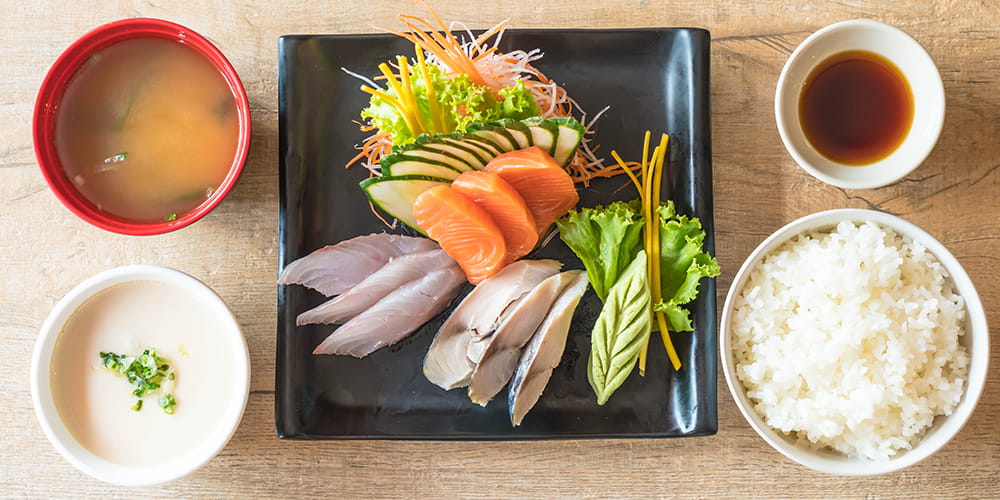
In the West, sushi is often viewed as the hallmark of Japanese cuisine, but let me tell you, it represents just a fraction of the broader eating culture. Traditional Japanese meals, known as “washoku,” are designed to balance five essential elements:
- Rice
- Soup
- Fish
- Pickles, and
Actionable Advice
- Portion Control: Japanese meals often feature smaller portions, emphasizing variety through smaller dishes to help regulate calorie intake. Using smaller plates can naturally reduce portion sizes, aligning with research on eating psychology.
- Food Presentation: In Japan, the beautiful presentation of food encourages a mindful eating experience. The “ichiju-sansai” practice (one soup and three sides) promotes balance and slow consumption.
Fermented Foods and Gut Health
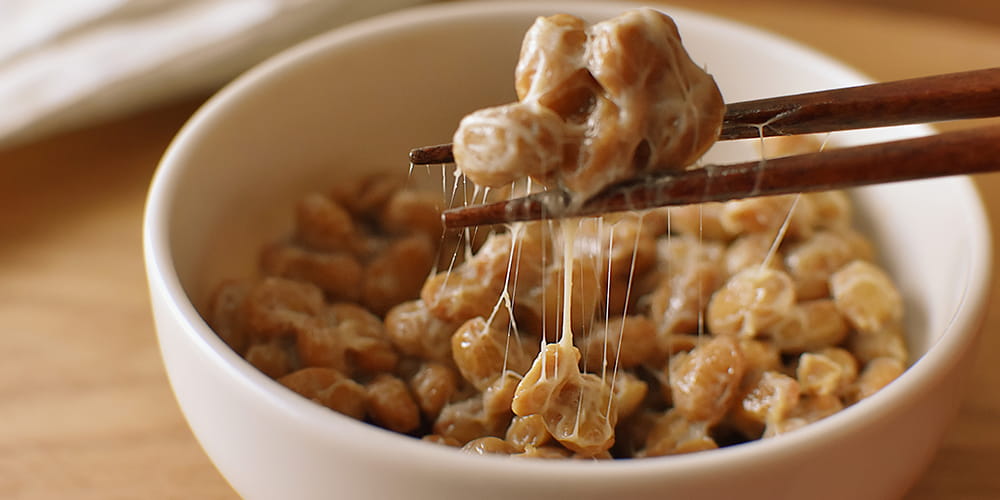
Fermented foods such as miso, natto, and kimchi are staples in the Japanese diet and play a crucial role in maintaining a healthy gut microbiome. These foods are rich in probiotics, which are beneficial bacteria that support digestive health and are linked to improved metabolism and weight management.
Actionable Advice
- Include Probiotic Foods: Add probiotic-rich foods like miso soup, natto, and kimchi to your diet to boost gut health, improve digestion, and support your immune system. Try making miso soup for breakfast or adding kimchi to salads and rice dishes.
- Variety Matters: Consume a range of fermented foods, such as tempeh, kefir, or yogurt, to diversify the beneficial bacteria in your gut.
High Fiber, Low Calorie: The Dominance of Vegetables and Seafood
A cornerstone of the Japanese diet is its heavy reliance on vegetables and seafood, both of which provide high fiber and essential nutrients while being relatively low in calories. Incorporating various seasonal vegetables and fish promotes weight management, cardiovascular health, and longevity.
Actionable Advice
- Focus on Fiber-Rich Vegetables: Include a variety of fiber-rich vegetables in your diet, such as daikon, sweet potatoes, seaweed, and leafy greens. These help with digestion and satiety. Aim to fill half your plate with vegetables and add seaweed to boost fiber and nutrients.
- Prioritize Seafood: Fatty fish like mackerel, salmon, and sardines are high in omega-3 fatty acids, which support heart health and reduce inflammation. Aim for at least two servings per week, or consider algae-based omega-3 supplements if you don’t eat fish.
These practices are not mere trends; they are deeply rooted in the Japanese way of life, with centuries of evidence supporting their effectiveness.
Cultural Practices and Social Norms

In Japan, deeply rooted cultural practices shape food and body image, influencing eating habits and attitudes toward health and weight. The approach to food emphasizes balance, harmony, and discipline, promoting mindful eating and conscious food choices in daily life.
The Influence of Social Pressure on Body Image
Societal pressure plays a significant role in Japan in terms of influencing lifestyle choices and eating habits. There is a strong cultural emphasis on maintaining a slim physique, which is often seen as a sign of discipline and self-control.
This societal norm shapes how individuals view their bodies and regulate their eating behaviors. From a young age, there is a focus on modesty in physical appearance, with slimness commonly associated with health and self-discipline.
Actionable Advice
- Recognizing Social Influences: Embrace body positivity by focusing on what makes you feel healthy rather than conforming to societal pressures. Increase self-awareness about how these influences affect your eating habits for a healthier relationship with food and body image.
- Building Healthy Habits: Try “hara hachi bu” (eating until 80% full) to promote moderation and align with your body’s hunger signals for sustainable health. This tip has really helped me maintain a healthy weight over
Mindful Eating and the Practice of Hara Hachi Bu
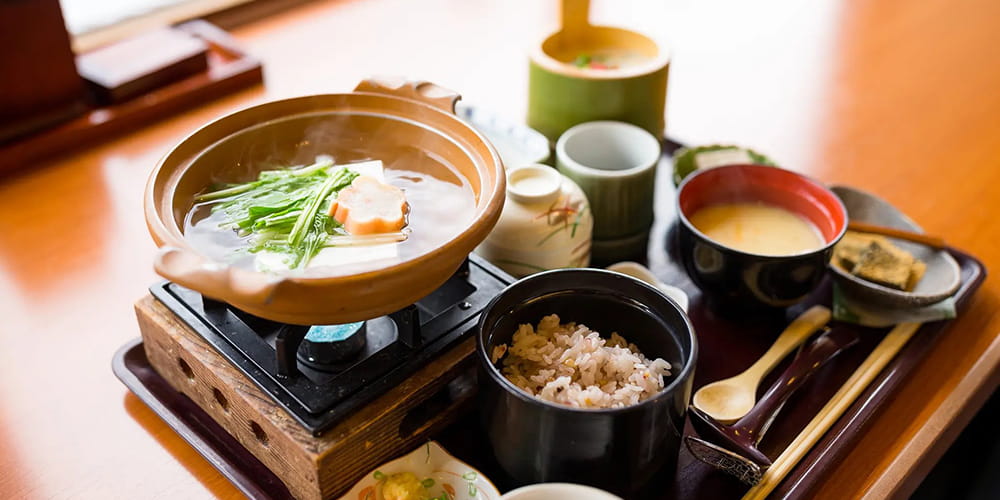
as we’ve just seen, hara hachi bu is a centuries-old tradition in Japan, particularly in Okinawa, where some of the longest-living people in the world reside. Hara Hachi bu encourages you to stop eating before you feel completely full, promoting moderation and helping to prevent overeating.
Hara Hachi Bu aligns well with mindful eating principles, promoting awareness of your body’s natural hunger and fullness signals.
Actionable Advice
- Portion Control: By leaving the table when you’re 80% full, you can naturally reduce your caloric intake without feeling deprived. Research supports the idea that a slower eating pace allows for better digestion and increased satisfaction with smaller portions. Additionally, consider using smaller plates or bowls to encourage portion control, which can trigger early satiety cues and help prevent overeating.
Active Lifestyles and Daily Movement in Japan
Japan successfully integrates physical activity into daily life, which contributes to its reputation for health and longevity. Embracing these practices can improve your weight management and health.
Walking and Cycling: Everyday Activities
In Japan, walking and cycling are essential components of daily life. Urban planning supports these activities by providing efficient public transport and pedestrian-friendly environments. Many people walk to train stations or cycle to work. (myself included)
Actionable Advice
- Incorporate Walking and Cycling: Opt for walking or cycling for short distances instead of driving. Aim for at least 30 minutes of walking or cycling daily to promote cardiovascular health and reduce the risk of chronic diseases.
- Use Active Transport: Consider biking or walking for part of your commute to increase your daily activity level.
Work and Movement Culture
Japanese workplaces encourage physical activity by promoting breaks for movement and providing spaces for light exercise. Employees often walk or cycle to work.
Actionable Advice
- Take Active Breaks: Integrate short movement breaks into your workday to enhance productivity and counteract sedentary behavior.
- Commute Actively: If possible, walk or bike to work to boost your daily physical activity and overall health.
Traditional Practices: Tai Chi and Other Low-Impact Exercises
Japan has a rich tradition of low-impact exercises such as Tai Chi, yoga, and “radio taiso” (light calisthenics), which improve flexibility, balance, and strength. These exercises are suitable for all ages and support a healthy physique and longevity.
Tai Chi, a slow-motion practice, promotes mindfulness and cardiovascular health, reduces stress, and aids in weight management. Research shows that low-impact exercises help maintain a healthy body composition and prevent age-related issues.
Actionable Advice
- Practice Tai Chi or Yoga: Incorporate these practices into your weekly routine for improved flexibility, balance, and stress management. Aim for at least 20 minutes several times a week.
- Incorporate Low-Impact Movement Daily: If Tai Chi isn’t feasible for you, try stretching or joining a local yoga class. These activities enhance physical health and mental well-being by reducing stress and improving sleep quality.
Japan promotes an active lifestyle through daily routines like walking, cycling, and traditional exercises such as Tai Chi. This focus on movement aids in weight management and fosters long-term health.
The Influence of Sleep, Stress Management, and Mental Health
Sleep, stress management, and mental health are vital yet often neglected factors in weight regulation and overall well-being. Despite being a high-pressure society, Japan has cultural practices that promote relaxation, stress reduction, and good sleep hygiene. These habits contribute to maintaining a healthy weight and longevity.
How Japan’s Sleep Culture Contributes to Health and Weight
Sleep plays a fundamental role in metabolism, appetite control, and weight management.
Poor sleep disrupts hormonal balance, leading to:
- Increased hunger
- Reduced satiety, and
- Impaired energy regulation.
Research shows that insufficient sleep is associated with a higher risk of obesity, metabolic disorders, and increased cravings for calorie-dense foods.
In Japan, sleep culture is shaped by several key factors:
1. Shorter but More Structured Sleep Patterns: Although the average sleep duration in Japan is slightly less than in Western countries (typically around 6-7 hours per night), structured sleep habits and afternoon naps (inemuri) help mitigate the negative effects of sleep deprivation.
2. Prioritization of Sleep Hygiene: Many Japanese adhere to good sleep hygiene practices, such as minimizing electronic usage before bed, using dim lighting, and consistent sleep schedules.
3. Dietary Considerations for Better Sleep: Traditional Japanese diets, rich in magnesium, tryptophan, and omega-3 fatty acids, can enhance sleep quality.
Actionable Advice
- Follow a Consistent Sleep Schedule: Aim for at least 7-9 hours of sleep per night and maintain a regular bedtime and wake-up time, even on weekends.
- Reduce Blue Light Exposure Before Bed: Limit screen time 1-2 hours before sleeping, as blue light from devices can suppress melatonin production, making it harder to fall asleep.
- Incorporate Sleep-Supporting Nutrients into Your Diet: Include foods high in magnesium (such as seaweed and tofu), tryptophan (found in fish and soy), and omega-3s (like salmon and sardines) to promote better sleep quality.
Stress Management in a High-Pressure Society
Chronic stress triggers the release of cortisol, a hormone associated with increased appetite, fat storage (especially in the abdominal area), and cravings for sugary and fatty foods. While Japan’s work culture is known for its high-pressure environment, the country also has cultural practices that help counterbalance stress and promote relaxation.
1. Hot Spring Baths: Bathing in natural hot springs, rich in minerals like magnesium and sulfur, has been shown to reduce stress, improve circulation, and lower cortisol levels. The heat also promotes muscle relaxation and better sleep quality.
2. Tea Ceremonies and Green Tea Consumption: Traditional Japanese tea ceremonies emphasize mindfulness and slow, intentional movements, which help reduce stress and cultivate a sense of calm. Additionally, green tea contains L-theanine, an amino acid that promotes relaxation without causing drowsiness and helps regulate the stress response.
3. Forest Bathing (Shinrin-yoku): Spending time in nature has been proven to lower cortisol levels, decrease blood pressure, and improve mental well-being. Japan’s cultural appreciation for nature is reflected in its widespread forest bathing practices.
Japan’s traditional approach to sleep, relaxation, and stress management plays a key role in health and weight regulation. Adopting practices like improved sleep hygiene, relaxation rituals, and time in nature can support a healthy body weight and overall well-being.
In Summary
Japan’s reputation for having some of the slimmest individuals in the world is rooted in cultural traditions, effective government policies, and a lifestyle centered on balance and well-being.
Unlike the extreme fitness trends often seen in the West, Japan’s approach to health is ingrained in daily life and shaped by social norms, mindfulness, and proactive policies. Key practices include Hara Hachi Bu, limited consumption of processed foods, and an active lifestyle that is integrated into commuting and work. Additionally, good sleep habits and stress management techniques such as onsen bathing promote a mindset of preventative healthcare.
To adopt some of Japan’s health principles, consider the following takeaways:
- Choose whole, nutrient-dense foods
- Incorporate daily movement into your routine.
- Practice mindful eating and control portion sizes.
- Prioritize sleep and stress management.
Overall, Japan displays a sustainable approach to health, fostering habits that lead to a healthier, more balanced lifestyle for lifelong vitality.
References:
- https://ajcn.nutrition.org/article/S0002-9165(23)23514-5/fulltext
- https://pubmed.ncbi.nlm.nih.gov/34788105/
- https://apjjf.org/laurie-edison/3230/article
- https://pubmed.ncbi.nlm.nih.gov/17986602/
- https://pubmed.ncbi.nlm.nih.gov/18562968/
- https://pubmed.ncbi.nlm.nih.gov/19589352/
- https://pubmed.ncbi.nlm.nih.gov/10543671/
- https://pubmed.ncbi.nlm.nih.gov/22652369/
- https://pubmed.ncbi.nlm.nih.gov/28788101/