7 Proven Methods To Lower Blood Pressure & Improve Artery Health
Science-Backed Strategies to Optimize Cardiovascular Health Beyond the Basics
When it comes to lowering blood pressure and improving your artery health, common advice often includes eating better, exercising, and reducing stress. While these factors are important, they don’t encompass the full potential for vascular health.
Your cardiovascular system is dynamic; arteries expand and contract, blood pressure fluctuates, and the heart adapts to stress. To truly improve arterial function and lower your blood pressure, it’s vital to explore lesser-known, evidence-based strategies.
In this article, we’ll discuss seven science-backed methods that go beyond basic lifestyle changes. These include training your arteries, utilizing breathwork, implementing targeted nutrition, and exploring temperature extremes.
Let’s get started.
1. Train Your Arteries Like a Muscle
Many people view arteries as rigid tubes, but they are actually dynamic structures that expand and contract based on the body’s needs. This ability, known as vascular flexibility, is essential for maintaining healthy blood pressure.
When your arteries become stiff, they cannot expand properly, which forces your heart to work harder. This can potentially lead to hypertension, heart disease, and decreased oxygen delivery to organs.
Research indicates that arterial stiffness is a stronger predictor of cardiovascular disease than high cholesterol. Fortunately, arteries can be trained to become more flexible, enhancing cardiovascular function and lowering blood pressure.
Let’s take a look at two proven ways to improve arterial elasticity.

Isometric Handgrip Training
One of the most effective yet overlooked methods for improving vascular function is isometric handgrip training (IHT). This involves squeezing a resistance device for short periods, which has been shown to significantly lower blood pressure.
Why It Works
- IHT increases nitric oxide production, a molecule that helps arteries relax and widen.
- It enhances baroreceptor sensitivity, which regulates blood pressure.
- It reduces sympathetic nervous system activity, lowering stress-related BP spikes.
Scientific Evidence
A meta-analysis published in the Journal of Hypertension found that isometric handgrip training can reduce systolic blood pressure by an average of 8-10 mmHg and diastolic blood pressure by 4-6 mmHg. This is comparable to the effects of some blood pressure medications without the side effects.
How to Do It
- Use a handgrip trainer or even a tennis ball.
- Squeeze at 30% of your maximum strength for 2 minutes, then rest for 1 minute.
- Repeat 4 times per hand, 3-4 times per week.
- Expect to see results in 4-6 weeks.
Daily Micro-Movements
Prolonged periods of sitting are known to be harmful to arterial health. Research shows that just one hour of continuous sitting can reduce arterial function by 50%
Importance of Movement
- Extended sitting causes blood to pool in the lower extremities, which diminishes circulation.
- This can lead to vascular dysfunction, elevated blood pressure, and reduced nitric oxide production.
- Engaging in regular movement can effectively counteract these negative effects and help maintain arterial elasticity.
A study published in The Journal of Applied Physiology demonstrated that interrupting long sitting sessions with just 5 minutes of walking each hour can restore arterial function and improve blood flow.
How to Do it
- Set a timer to get up and move every 30 to 60 minutes.
- Take a 5-minute walk or perform 20 bodyweight squats during these breaks.
- If possible, use a standing desk or a desk treadmill to encourage movement.
- Incorporate calf raises to boost venous return and enhance circulation.
How To Do Calf Raises
Recent findings from the University of Houston suggest that calf raises significantly improve circulation and may lower blood pressure by enhancing blood flow and glucose metabolism.
- Sit in a chair with your feet flat on the floor.
- Raise your heels while keeping your toes grounded, then lower them back down.
- Aim for 50 to 100 reps throughout the day to maximize the benefits.
2. Master the Art of Controlled Hypoxia
Controlled hypoxia, which involves deliberate exposure to reduced oxygen levels, can have a positive impact on blood pressure and vascular health. By incorporating specific breathwork techniques, you can enhance your body’s tolerance to carbon dioxide (CO₂) and improve arterial function.
The Overlooked Role of Carbon Dioxide Tolerance in Vascular Health
CO₂ is not just a waste product; it plays a crucial role in regulating blood vessel dilation. Elevated levels of CO₂ cause blood vessels to dilate, improving blood flow and lowering blood pressure. Conversely, low levels of CO₂ can lead to vasoconstriction and increased blood pressure.
Intermittent Hypoxia Training: How Breath-Holding Can Lower Blood Pressure
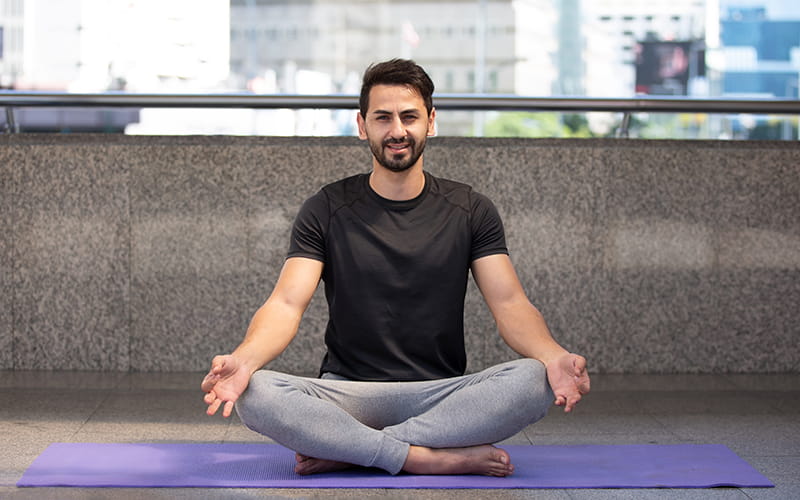
Intermittent hypoxia training (IHT) involves brief periods of reduced oxygen exposure, such as breath-holding exercises. Studies have shown that IHT can lead to significant reductions in blood pressure.
For example, daily exposure to mild intermittent hypoxia over 15 days has been found to lower blood pressure in patients with obstructive sleep apnea and hypertension.
How to Practice Intermittent Hypoxia Training
- Preparation: Sit comfortably and take a few deep breaths to relax.
- Inhale Deeply: Take a deep breath in.
- Breath-Hold: Hold your breath for 20-30 seconds or until you feel a moderate urge to breathe.
- Exhale Slowly: Release your breath slowly and return to normal breathing.
- Repeat: Perform this cycle 4-5 times, once or twice daily.
Note: If you experience dizziness or discomfort, stop and consult your healthcare professional.
Slow, Nasal Breathing: Its Effect on Nitric Oxide and Arterial Dilation
Breathing through your nose (my personal favorite) can increase the production of nitric oxide, a molecule that promotes vasodilation and enhances blood flow. Slow, controlled nasal breathing can help maintain optimal CO₂ levels, supporting your vascular health.
How to Practice Slow Nasal Breathing
- Inhale: Breathe in slowly through your nose for a count of 4-6 seconds.
- Exhale: Exhale gently through your nose for a count of 4-6 seconds.
- Continue: Maintain this breathing pattern for 5-10 minutes daily.
3. Upgrade Your Electrolytes
Balancing electrolytes is essential for regulating blood pressure. While it’s important to reduce sodium intake, maintaining adequate levels of other key minerals is equally vital.
The Role of Magnesium, Potassium, and Calcium in Vascular Health
- Potassium: This mineral helps counteract the effects of sodium by reducing tension in blood vessel walls and assisting in sodium excretion.
- Magnesium: It supports the relaxation of blood vessels and may contribute to a modest reduction in blood pressure.
- Calcium: Essential for both the contraction and dilation of blood vessels, sufficient calcium intake is associated with better blood pressure control.
Optimal Electrolyte Ratios
- Potassium: Aim for a daily intake of 3,500 to 5,000 mg.
- Magnesium: The recommended daily intake ranges from 310 to 420 mg, depending on age and sex.
- Calcium: Adults should consume about 1,000 mg per day.
Note: We highly recommend consulting your healthcare provider to tailor these recommendations to your specific needs.
4. The “Second Heart” You’re Neglecting
The calf muscles, often referred to as the body’s “second heart,” play a crucial role in promoting venous return and regulating blood pressure. The contractions generate significant pressure that helps propel blood from your lower extremities back to your heart.
This mechanism, known as the “calf muscle pump,” is critical for maintaining optimal blood circulation.
How Modern Sedentary Habits Contribute to Hypertension
Prolonged periods of inactivity can weaken your calf muscle pump, leading to blood pooling in your lower limbs and increased venous pressure. This stagnation can elevate overall blood pressure, highlighting the importance of regular movement.
- Toe Raises: Performing toe raises engages your calf muscles, enhancing venous return.
- Soleus Activation: The soleus muscle, located in the calf, significantly influences circulatory health.
Another excellent go-to is compression garments. These garments exert mild pressure on the legs, supporting vein function and improving blood circulation. I wear calf compression bands daily, particularly in winter, as they improve my circulation and help keep me warm.
5. The Blood Vessel Cleanse
To support and improve vascular health, it is beneficial to include foods that are rich in polyphenols and nitrates in your diet.
- Polyphenols, which include flavonoids, are powerful antioxidants that play a crucial role in enhancing endothelial function. They help reduce inflammation and promote the dilation of blood vessels, contributing to overall better vascular health.
- Foods like beets, spinach, and arugula are high in dietary nitrates. Once consumed, the body converts these nitrates into nitric oxide, a compound that relaxes and dilates blood vessels, thereby aiding in the reduction of blood pressure.
Optimizing Nitrate Consumption for Enhanced Benefits
To gain the maximum advantages from nitrate-rich foods, it’s advisable to consume them prior to exercise. This practice not only improves your exercise performance but also improves vascular function by increasing the availability of nitric oxide.
Finally, it’s important to consider cooking methods, as boiling can diminish the nitrate content. To retain their beneficial properties, it’s best to consume these vegetables raw or lightly steamed.
6. The Silent Killer
The lymphatic system plays a crucial role in maintaining fluid balance and vascular health. When lymphatic function is impaired, it can lead to fluid retention and increased stress on your blood vessels, potentially elevating blood pressure.
The lymphatic system is responsible for removing excess interstitial fluid, proteins, and waste products from tissues. When lymphatic flow becomes sluggish, fluid accumulates in the interstitial space, resulting in edema and increased vascular resistance, both of which can raise blood pressure. Research has shown that impaired lymphatic function is associated with hypertension.
The Overlooked Role of the Diaphragm in Circulation
The diaphragm functions as a pump for the lymphatic system. During respiration, the movement of the diaphragm facilitates lymph flow, aiding in fluid balance and supporting vascular health. Deep, diaphragmatic breathing enhances lymphatic circulation, contributing to overall cardiovascular well-being.
Rebounding and Dry Brushing – Do They Work?
- Rebounding: One study evaluated the effects of a 12-week mini-trampoline rebounding exercise program on overweight women. The results indicated improvements in cardiovascular fitness and body composition, suggesting that rebounding exercises can enhance overall health.
- Dry Brushing: While dry brushing is commonly believed to promote lymphatic drainage and improve circulation, scientific evidence supporting these claims is limited.
Lymphatic-Focused Yoga Poses
Certain yoga poses can aid lymphatic drainage by promoting deep breathing and muscle contractions.
Poses such as:
- Downward Dog
- Shoulder Stand, and
- Legs-Up-The-Wall encourages lymph flow and supports fluid balance.
Incorporating these poses into a regular yoga practice can enhance lymphatic circulation and contribute to overall cardiovascular health.
7. Cold Exposure and Thermal Contrast Therapy for Vascular Resilience
Incorporating heat and cold therapies into your routine can boost your vascular health and support blood pressure management. Exposure to temperature extremes triggers physiological responses that can influence blood pressure:
- Heat Exposure: Utilizing heat, such as sauna bathing, causes blood vessels to dilate, which improves circulation and can potentially lower blood pressure.
- Cold Exposure: On the other hand, cold exposure leads to vasoconstriction, increasing vascular resistance and temporarily raising blood pressure. However, regular cold exposure may enhance vascular resilience over time.
The Benefits of Sauna Therapy for Arterial Function
Sauna therapy provides several cardiovascular benefits that can enhance overall vascular health:
- Improved Endothelial Function: Regular sauna use has been shown to enhance endothelial function, which is vital for maintaining healthy blood vessels. Research indicates that exposure to saunas can improve arterial compliance, allowing arteries to stretch and contract more effectively.
- Reduced Blood Pressure: Consistent sauna use is associated with lower blood pressure levels. Studies have found that sauna bathing can decrease both systolic and diastolic blood pressure, contributing to better cardiovascular health.
- Consult a Healthcare Professional: If you have any underlying health conditions, particularly heart-related ones, consult with your healthcare provider.
Conclusion
Effectively managing your blood pressure requires a comprehensive approach that includes lifestyle modifications, dietary adjustments, and targeted therapies.
Incorporating heat and cold exposure therapies, such as sauna bathing, can boost your vascular resilience and support your overall cardiovascular health.
By combining these strategies, you can take proactive steps toward maintaining healthy blood pressure levels.
References:
- https://www.ahajournals.org/doi/10.1161/circulationaha.109.886655
- https://pmc.ncbi.nlm.nih.gov/articles/PMC9634841/
- https://pmc.ncbi.nlm.nih.gov/articles/PMC9553009/
- https://journals.physiology.org/doi/full/10.1152/japplphysiol.00310.2018
- https://stories.uh.edu/2022-soleus-pushup/index.html
- https://pmc.ncbi.nlm.nih.gov/articles/PMC9838631/?
- https://www.heart.org/en/health-topics/high-blood-pressure/changes-you-can-make-to-manage-high-blood-pressure/how-potassium-can-help-control-high-blood-pressure
- https://www.ahajournals.org/doi/10.1161/hypertensionaha.116.07664
- https://pmc.ncbi.nlm.nih.gov/articles/PMC5852517/?
- https://www.jvascsurg.org/article/S0741-5214%2811%2901816-7/pdf?
- https://pmc.ncbi.nlm.nih.gov/articles/PMC3575935/
- https://journals.physiology.org/doi/full/10.1152/ajpheart.00496.2022
- https://pubmed.ncbi.nlm.nih.gov/27441918/
- https://watermark.silverchair.com/eurjpc0130.pdf?token=AQECAHi208B
- https://pubmed.ncbi.nlm.nih.gov/33866630/