The Six Real Reasons Record Levels of Men Are Suffering from ED

Uncovering the Hidden Triggers Behind the Global Rise in ED And What Science Says About Fixing It
Erectile dysfunction (ED) is no longer an issue limited to older men. In fact, in recent years, cases have surged across all age groups, with younger men experiencing ED at unprecedented rates.
While lifestyle factors such as poor diet, stress, and lack of exercise are often blamed, the reality is much more complex. The increase in ED is not just a matter of aging or unhealthy choices; it reflects deeper, systemic issues.
Factors like declining testosterone levels, exposure to environmental toxins, and digital overstimulation are quietly undermining male sexual health in modern life.
In this article, we delve deep into the underlying reasons for the ED epidemic and, more importantly, provide actionable, science-backed solutions.
1. The Silent Epidemic
Erectile dysfunction (ED) is increasingly recognized as a significant public health issue, with its prevalence rising dramatically over the past few decades.
Research indicates that:
- Nearly 50% of men over the age of 40 experience some degree of ED.
- Alarmingly, one in four men under 40 reports struggling with ED.
- Between 2000 and 2018, the number of men diagnosed with ED doubled.
This data suggests that ED is no longer solely an “old man’s problem.” Young, seemingly healthy men are increasingly affected, and traditional explanations, such as poor circulation due to aging, fail to fully account for this trend.
What’s Causing the Surge? Beyond the Traditional Risk Factors
Traditionally, ED has been associated with factors such as obesity, diabetes, cardiovascular disease, and smoking. While these continue to be relevant, they do not entirely explain the rise in cases among younger men.
Here’s what modern research suggests:
- Hormonal Decline: Testosterone levels have significantly dropped over recent decades, negatively impacting sexual function.
- Dopamine Dysregulation: Excessive consumption of pornography and digital overstimulation are rewiring the brain’s reward system, leading to porn-induced erectile dysfunction (PIED).
- Environmental Toxins: Endocrine-disrupting chemicals (EDCs) found in plastics, pesticides, and processed foods interfere with testosterone and nitric oxide production.
- Metabolic Dysfunction: Even men who appear fit may have underlying issues, such as insulin resistance, which can adversely affect endothelial function and blood flow.
These often-overlooked factors contribute to the ED epidemic in ways that many men, and even some doctors, do not fully recognize.
2. The Testosterone Crisis
Testosterone, the primary male sex hormone, plays a crucial role in libido, erectile function, and overall vitality. Alarmingly, studies show that testosterone levels have declined by over 20% in the past two decades.
- A 2007 study found that men’s testosterone levels are decreasing at an average rate of 1% per year.
- Young men today have significantly lower testosterone levels than their fathers did at the same age.
- By 2040, some researchers predict that testosterone deficiency could become a widespread crisis affecting millions of men.
How Endocrine-Disrupting Chemicals (EDCs) Are Sabotaging Male Hormones
One of the major hidden factors contributing to falling testosterone levels is exposure to endocrine-disrupting chemicals (EDCs). These chemicals, found in everyday products, interfere with the body’s hormone production.
- Plastics and BPA: Bisphenol A (BPA) is a known disruptor of testosterone found in plastic bottles and food packaging. Studies show that men with higher BPA exposure have lower testosterone levels and higher estrogen levels.
- Pesticides and Herbicides: Chemicals like glyphosate (found in Roundup) have been linked to hormone disruption and decreased sperm quality.
- Personal Care Products: Many deodorants, soaps, and shampoos contain phthalates, which interfere with testosterone synthesis.
The Role of Stress and Sleep in Testosterone Decline
Modern life is more stressful than ever, and chronic stress significantly impacts testosterone levels.
- Cortisol, the stress hormone, directly suppresses testosterone production. Research shows that men with high-stress levels have considerably lower testosterone than those with lower stress levels.
- Poor sleep can reduce testosterone levels by up to 15% in just one week. A study from the University of Chicago found that men who slept less than five hours per night had significantly lower testosterone levels.
How to Boost Testosterone Naturally

The good news is that there are actionable steps men can take to reclaim their testosterone levels:
- Eliminate Plastics: Switch to glass or stainless steel for food and drink storage.
- Optimize Sleep: Aim for 7–9 hours of deep sleep each night.
- Lift Heavy Weights: Strength training has been shown to increase testosterone levels naturally.
- Eat More Healthy Fats: Testosterone is synthesized from cholesterol, so diets rich in eggs, avocados, and grass-fed meat support healthy testosterone levels.
- Reduce Stress: Practices like meditation and breathwork can lower cortisol levels and improve testosterone balance.
3. The Ultra-Processed Diet and Vascular Dysfunction

Ultra-processed foods (UPFs) have become staples in many diets, but their impact on vascular health is concerning. These foods often contain high levels of:
- Sugars
- Unhealthy fats, and
- Artificial additives can impair endothelial function and the inner lining of blood vessels responsible for regulating blood flow.
Endothelial dysfunction is a precursor to atherosclerosis and is linked to an increased risk of cardiovascular diseases. Studies have shown that high consumption of UPFs is associated with an elevated risk of hypertension, obesity, and dyslipidemia, all of which contribute to vascular problems.
The Hidden Role of Seed Oils, Artificial Additives, and Gut Inflammation
Many UPFs contain seed oils that are rich in omega-6 polyunsaturated fatty acids. While some omega-6 fats are essential, excessive intake can promote inflammation and may contribute to endothelial dysfunction.
Additionally, artificial additives, such as emulsifiers, are commonly used in UPFs to improve texture and shelf life. Research indicates that certain emulsifiers can alter the composition of gut microbiota, leading to increased intestinal permeability and inflammation. This gut inflammation may have systemic effects, potentially impairing vascular function.
Why Nitric Oxide Deficiency Is a Major Driver of ED
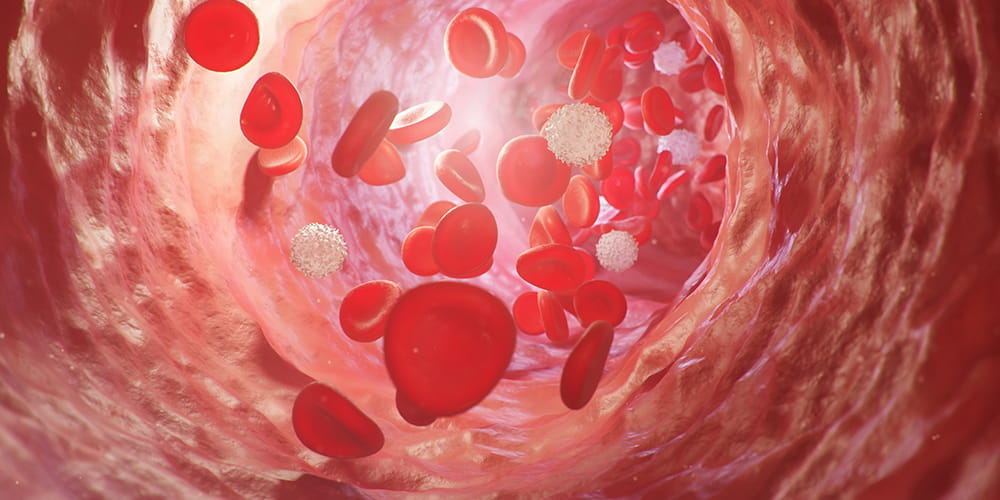
While high cholesterol levels have long been associated with erectile dysfunction (ED), nitric oxide (NO) plays a more direct role in achieving and maintaining erections. NO is a vasodilator produced by the endothelium that facilitates blood flow to the penile tissue.
Diets high in UPFs can lead to oxidative stress and reduced NO availability, impairing endothelial function and contributing to ED. Antioxidant-rich foods, such as pomegranate juice, have been shown to enhance NO production and improve erectile function in animal models.
4. Dopamine Burnout: The Link Between ED and Digital Overstimulation
The accessibility of internet pornography has led to a rise in pornography-induced erectile dysfunction (PIED), where individuals experience ED as a result of excessive pornography consumption. Studies have found that problematic internet pornography use is associated with lower sexual satisfaction and erectile function.
In a survey of 434 men, those with problematic pornography use reported lower overall sexual satisfaction and erectile function.
How Excessive Screen Time and Social Media Disrupt Dopamine Regulation
Excessive screen time, including prolonged use of social media and online content, can disrupt the brain’s dopamine regulation. Dopamine is a neurotransmitter crucial for motivation and reward. Overstimulation from constant digital consumption can lead to desensitization, where normal activities no longer elicit the same pleasure response.
Research indicates that addiction to social media negatively impacts male sexual function, with increased use correlating with worse sexual performance.
The Science Behind Dopamine Desensitization and Its Effect on Sexual Performance
Chronic exposure to high-dopamine activities, such as frequent pornography viewing, can alter the brain’s reward circuitry. This leads to a reduced response to natural rewards, including sexual intimacy. The phenomenon known as dopamine desensitization results in decreased libido and erectile difficulties.
Addressing this issue involves reducing or eliminating exposure to artificial stimuli and engaging in activities that promote healthy dopamine levels, such as physical exercise and mindfulness practices.
5. Cardiovascular Health and Erectile Dysfunction: More Than Just Blood Flow
Erectile dysfunction (ED) is often an early sign of systemic vascular issues. Conditions such as insulin resistance and elevated homocysteine levels can damage the endothelium, which is crucial for the blood flow needed for an erection. For example, high levels of homocysteine have been associated with endothelial injury that can contribute to ED.
Why Men with “Normal” Cholesterol Can Still Experience Endothelial Damage
Traditional markers like cholesterol levels do not always accurately reflect endothelial health. Men with normal cholesterol may still face endothelial dysfunction due to factors such as oxidative stress and inflammation. These issues can reduce nitric oxide availability, which is essential for vascular dilation and erectile function.
Emerging Research on Mitochondrial Health and Erectile Function
Mitochondria, the energy-producing components of cells, play a vital role in vascular health. Dysfunction in mitochondria can lead to increased oxidative stress, which damages endothelial cells and impairs erectile function. Maintaining mitochondrial health through lifestyle changes may support better erectile performance.
6. The Sleep and ED Connection: How Poor Sleep Affects Male Performance
Sleep disorders, especially obstructive sleep apnea (OSA), are linked to lower testosterone levels and endothelial dysfunction. OSA causes intermittent hypoxia, resulting in oxidative stress that impairs nitric oxide-mediated vasodilation, which is essential for erections. Circadian rhythm disruptions, such as those caused by shift work, can also upset hormonal balance, further contributing to ED.
The Critical Role of Deep Sleep in Maintaining Erectile Function
Deep sleep stages are vital for producing testosterone during the night. Disrupted or insufficient sleep can significantly lower testosterone levels, negatively affecting both libido and erectile function.
Proven Sleep Optimization Strategies for Better Sexual Health
- Establish a Consistent Sleep Schedule: Go to bed and wake up at the same times daily to reinforce your natural circadian rhythms.
- Create a Sleep-Conducive Environment: Ensure your bedroom is dark, quiet, and cool to promote restful sleep.
- Limit Screen Exposure Before Bed: Reducing exposure to blue light from devices can enhance melatonin production.
- Seek Treatment for Sleep Disorders: Conditions like OSA may require interventions such as continuous positive airway pressure (CPAP) therapy to improve sleep quality and erectile function.
Solutions: Addressing the Root Causes Instead of Just the Symptoms
- Increase Dietary Nitrate Intake: Consuming nitrate-rich foods such as beets and leafy greens can boost nitric oxide production.
- Regular Physical Activity: Exercise improves endothelial health and boosts nitric oxide availability.
- Antioxidant-Rich Diet: Eating foods high in antioxidants can combat oxidative stress, preserving nitric oxide levels.
Science-Backed Methods to Optimize Testosterone Production
- Prioritize Quality Sleep: Ensuring adequate, restorative sleep supports natural testosterone cycles.
- Balanced Nutrition: A diet rich in vitamins and minerals, particularly vitamin D and zinc, promotes hormone production.
- Stress Management: Chronic stress raises cortisol levels, which can suppress testosterone. Mindfulness and meditation can be effective stress-reduction techniques.
Strategies for Restoring Dopamine Sensitivity and Improving Mental Resilience
- Digital Detox: Limiting exposure to overstimulating digital content, including pornography, can help reset dopamine pathways.
- Engage in Rewarding Activities: Pursuing hobbies and physical activities can naturally elevate dopamine levels.
- Mindfulness Practices: Techniques like meditation can enhance mental resilience and regulate dopamine.
Cutting-Edge Therapies: Red Light Therapy, Shockwave Therapy, and More
- Low-Intensity Extracorporeal Shockwave Therapy (LI-ESWT): This non-invasive treatment has shown promise in improving erectile function by promoting the formation of new blood vessels.
- Red Light Therapy: Emerging evidence suggests that photobiomodulation may enhance mitochondrial function and blood flow, potentially benefiting ED.
- Platelet-Rich Plasma (PRP) Therapy: PRP injections aim to stimulate tissue regeneration and improve erectile function, though more research is needed to confirm their efficacy.
Addressing the multifaceted causes of ED requires a comprehensive approach that includes lifestyle modifications, medical interventions, and emerging therapies. By targeting the underlying issues rather than just the symptoms, men can achieve sustainable improvements in sexual health and overall well-being.
In Summary
Erectile dysfunction (ED) is not merely a symptom of aging; instead, it serves as a warning sign of underlying health issues. The increasing number of ED cases, particularly among younger men, indicates a crisis influenced by:
- Poor metabolic health
- Declining testosterone levels
- Highly processed diets
- Dopamine dysregulation and
- sleep deprivation.
Rather than relying on quick-fix solutions like pills, it’s essential to address the root causes of ED. These measures offer the opportunity for lasting improvements in sexual function and overall well-being.
References
- https://www.clevelandclinicmeded.com/medicalpubs/diseasemanagement/endocr
- https://www.niddk.nih.gov/health-information/urologic-diseases/erectile-dysfunction
- https://www.urologytimes.com/view/testosterone-levels-show-steady-decrease-a
- https://health.clevelandclinic.org/declining-testosterone-levels
- https://pmc.ncbi.nlm.nih.gov/articles/PMC7063751/
- https://www.urologytimes.com/view/testosterone-levels-show-steady-decrea
- https://health.clevelandclinic.org/declining-testosterone-levels
- https://pmc.ncbi.nlm.nih.gov/articles/PMC10831891
- https://www.mdpi.com/2072-6643/17/1/2
- https://www.auajournals.org/doi
- https://pmc.ncbi.nlm.nih.gov/articles/PMC5039517/
- https://pmc.ncbi.nlm.nih.gov/articles/PMC10573317
- https://pmc.ncbi.nlm.nih.gov/articles/PMC7795368
- https://www.mdpi.com/1467-3045/46/8/521
- https://www.frontiersin.org/journals/psychiatry/articles
- https://www.dovepress.com/short-sleep-duration-and-erectile-dysfunction